Discover the Role of Metal Factories in Modern Production Processes
Steel shops are essential to the production landscape, transforming basic materials into essential elements for different sectors. Their advanced methods, including 3D printing and CAD, allow the development of facility components with very little waste. In addition, factories are significantly taking on sustainable methods to improve their ecological footprint. Recognizing the full extent of these operations reveals their substantial influence on markets like vehicle and aerospace, motivating a more detailed assessment of their evolving function in contemporary manufacturing.
The Necessary Functions of Metal Foundries
Metal foundries play an important role in the manufacturing field by transforming raw materials right into usable steel items through numerous processes (Aluminum Foundry). These centers are necessary for producing elements used in various industries, consisting of vehicle, aerospace, and construction. Factories largely concentrate on melting metal alloys and pouring them right into molds to develop specific forms, a procedure referred to as spreading
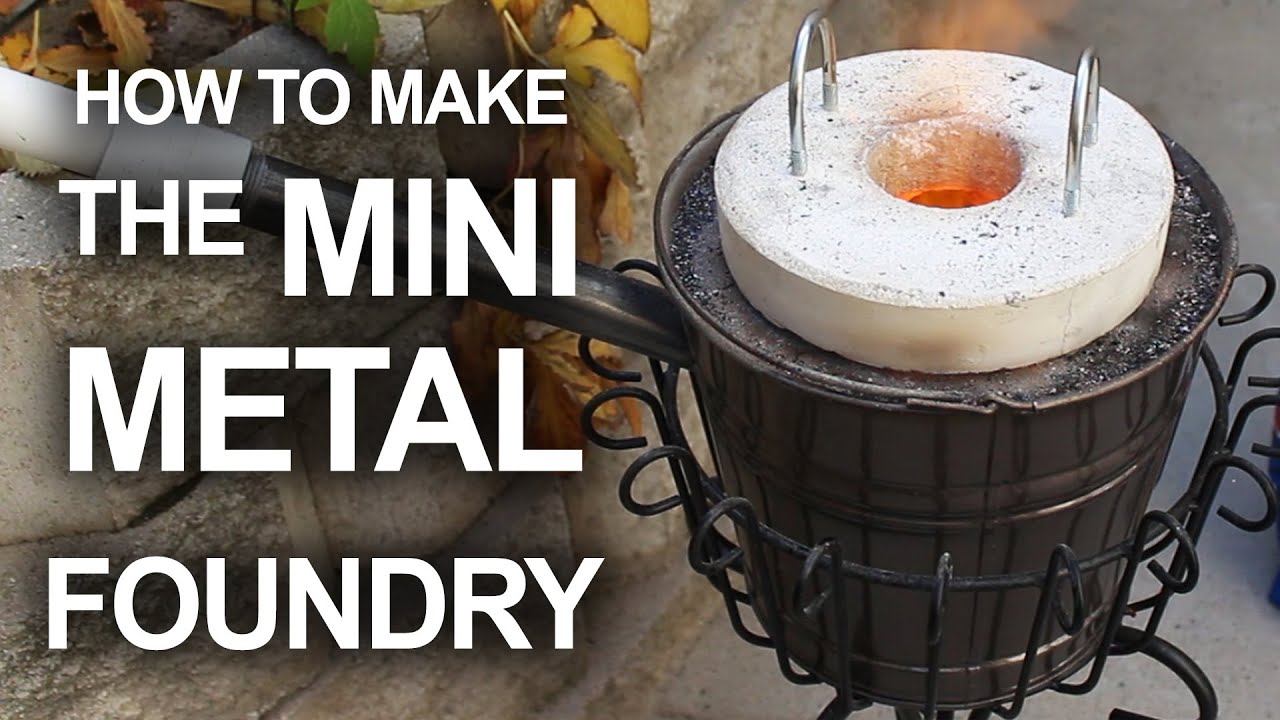
Factories give specific solutions, such as heat treatment, which improves the mechanical buildings of steel items. By facilitating these necessary features, steel factories add considerably to the general efficiency and development within the production landscape, enabling the manufacturing of a vast variety of steel goods.
Advanced Technologies in Steel Spreading
As the manufacturing market develops, advanced modern technologies in steel casting are reshaping the landscape of production. Advancements such as 3D printing and computer-aided layout (CAD) have actually considerably enhanced the efficiency and accuracy of casting procedures. These modern technologies allow factories to produce intricate geometries that were difficult or previously challenging to accomplish, therefore decreasing material waste and boosting general top quality.
In addition, automation and robotics have structured procedures, minimizing hands-on labor while enhancing manufacturing rate. Integrating advanced simulation software program enables factories to optimize casting designs and predict potential defects prior to production, additionally boosting integrity.
Furthermore, the arrival of wise production systems, incorporating the Net of Points (IoT), promotes real-time surveillance of procedures, guaranteeing greater control over production specifications. These technological improvements not only drive cost-effectiveness yet also setting metal shops at the forefront of modern manufacturing, enabling them to fulfill the progressing needs of numerous markets.
Sustainability Practices in Foundries
While the manufacturing sector encounters boosting stress to adopt ecologically liable methods, foundries are actively executing sustainability steps to lower their environmental footprint. Lots of foundries have welcomed recycling campaigns, using scrap metal and various other materials to reduce waste and preserve resources. Advanced innovations, such as energy-efficient Metal Foundry furnaces and automated processes, even more boost their dedication to sustainability.
Shops are likewise concentrating on reducing emissions and improving air top quality by taking on cleaner manufacturing methods. Making use of eco pleasant binders and coverings has gained traction, decreasing damaging results in the casting procedure. Furthermore, water preservation procedures are being implemented, with closed-loop systems decreasing freshwater usage and wastewater discharge.
The Effect of Foundries on Various Industries
Commonly overlooked, foundries play a necessary function in supplying necessary components throughout a varied array of markets. These facilities are vital in generating steel castings used in automotive, building, aerospace, and equipment fields. In the auto industry, factories offer engine blocks, transmission cases, and various other crucial components, making sure automobiles operate successfully. Aerospace depends greatly on precision-cast components that fulfill rigid security criteria, while building companies rely on durable and solid steel items for infrastructure tasks.
Foundries add to the energy sector by producing elements for power generation equipment, consisting of generators and turbines. Their versatility includes durable goods, where cast steel components boost product functionality and toughness. By supporting numerous markets, shops not just boost producing capacities but also drive advancement and technical developments, stressing their considerable effect on the international economic climate.
Future Patterns in Metal Foundry Procedures
Emerging modern technologies and evolving market needs are forming the future landscape of metal factory procedures. Automation and robotics are increasingly being incorporated to enhance effectiveness and lower labor expenses. Smart factories are leveraging data analytics and the Internet of Things (IoT) to keep track of manufacturing processes in real-time, promoting predictive upkeep and decreasing downtime.
Sustainability is additionally ending up being a prime focus, with factories adopting greener methods by minimizing and reusing materials energy usage. Advanced products, such as light-weight alloys and compounds, are acquiring traction, driven by markets like aerospace and automobile seeking enhanced efficiency.
Additionally, additive manufacturing is emerging as a complementary modern technology, making it possible for the production of intricate geometries that standard approaches can not accomplish. As digitalization proceeds, metal foundries are anticipated to embrace more adaptable production systems, permitting for customized, on-demand production remedies. These patterns indicate a transformative change, positioning steel factories for a vibrant future in production.
Often Asked Concerns

What Materials Are Generally Used in Metal Foundries?
Steel foundries commonly make use of products such as iron, light weight aluminum, bronze, brass, and various alloys. These products are chosen for their special residential properties, making it possible for the production of diverse components tailored for specific applications in countless sectors.
How Do Foundries Make Sure Quality Assurance in Production?
Shops apply rigorous high quality control measures, including product assessments, procedure tracking, and screening of ended up items. They utilize sophisticated modern technologies and criteria to guarantee consistency, integrity, and adherence to specs throughout the manufacturing process.
What Precaution Are Implemented in Steel Shops?
Steel shops implement precaution such as individual protective devices, ventilation systems, normal security training, and emergency situation protocols. These methods aim to decrease threats related to heats, toxic fumes, and heavy machinery operations.
The length of time Does the Metal Casting Process Normally Take?
The steel spreading procedure typically takes a number of hours to days, relying on factors such as the complexity of the design, kind of metal utilized, and cooling times required for the certain casting method used.
What Are the Occupation Opportunities in Metal Foundries?
Job opportunities in metal factories include functions such as factory professionals, metallurgists, quality control examiners, device operators, and manufacturing supervisors - Aluminum Foundry. These positions use diverse paths in manufacturing, engineering, and experienced trades within the industry
Metal foundries are integral to the manufacturing landscape, transforming raw products right into crucial parts for different markets. Steel foundries play an essential duty in the production industry by transforming raw materials right into functional metal products via numerous procedures. In addition to spreading, steel foundries additionally engage in procedures such as machining, where excess product is eliminated to achieve precise specifications. As digitalization proceeds, metal shops are expected to embrace more flexible manufacturing systems, enabling for customized, on-demand manufacturing remedies. Occupation possibilities in metal shops consist of roles such as shop technicians, metallurgists, quality control assessors, maker operators, and production supervisors.